
 Italiano
 Español
 Français
 Deutsch
 Nederlands
 Português do Brasil
 Pусский
 日本語
日本語 简体中文
简体中文 한국어
한국어

Egypt inaugurates the largest Egyptian museum in the world
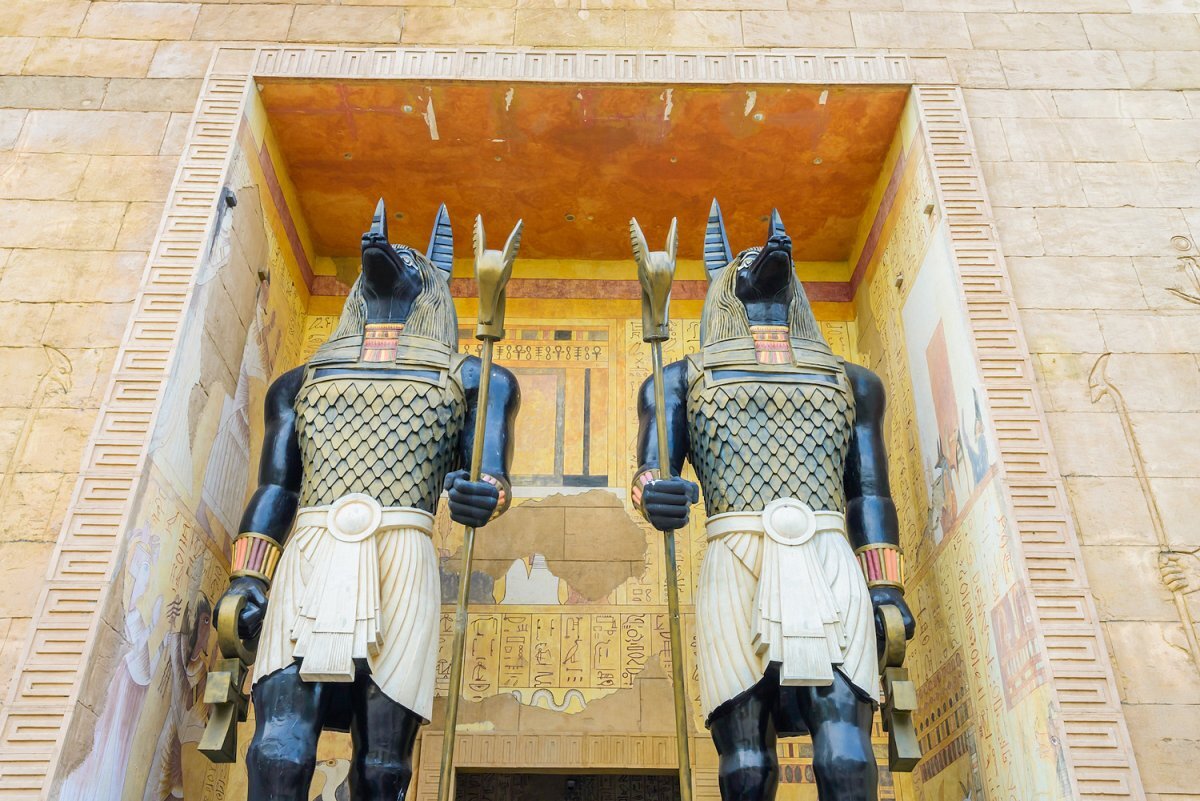
It took twenty years to build, was twice the size of the Louvre and the British Museum, and cost a billion dollars, funded by Japan and the Egyptian government. Twelve galleries displayed over one hundred thousand artefacts, including, for the first time, Tutankhamun's entire funerary set (nearly 5,400 artefacts), which is leaving the old Cairo museum forever after a hundred years.
On 4 November, the doors of the Grand Egyptian Museum (GEM) officially opened, marking the centenary of the discovery of Tutankhamun's tomb by British archaeologist Howard Carter in 1922. This is no coincidence, but the thread that weaves the fabric of a long story that concerns the whole of humanity.
Created to relieve and complement the old Cairo Museum, inaugurated in Tahrir Square in 1902, the GEM aims to add a modern fragment to an essential past—one marked by pharaonic pomp and suffocating colonialism—to enable contemporary man to become aware of his origins. During the inauguration ceremony, Egyptian President Abdel Fattah al-Sisi hailed the project as "a new chapter in the history of Egypt's present and future, on behalf of this ancient homeland" in short, a sense of belonging is being realised: if previous generations failed to do so, today's cannot escape the now urgent imperative to reckon with their own memory.
A complex legacy to manage, between ancient rituals and the most contemporary experiences of protection and enhancement. explains Rosanna Pirelli, Professor of Egyptology and Egyptian Archaeology at the University of Naples L'Orientale. From 2008 to 2012 she was director of the Archaeological Centre of the Italian Cultural Institute in Cairo. She has participated in numerous research and excavation projects, both Italian and foreign, in Egypt and Italy. In Italy in particular, she collaborated with the National Archaeological Museum of Naples on the exhibition project for the Egyptian collection (reopened in 2016) and is currently the scientific director of the new exhibition of Egyptian and Egyptian-inspired artefacts from the lost Temple of Isis, built in Benevento in the eighth year of Domitian's reign.