 Italiano
 Español
 Français
 Deutsch
 Nederlands
 Português do Brasil
 Pусский
 日本語
日本語 简体中文
简体中文 한국어
한국어

GEM Children's Museum
About the Museum
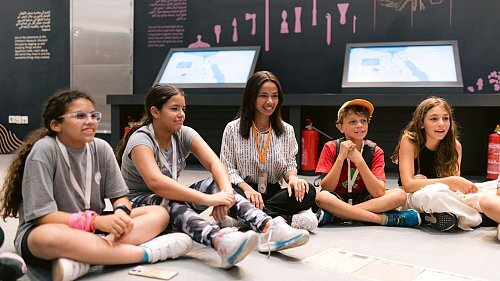
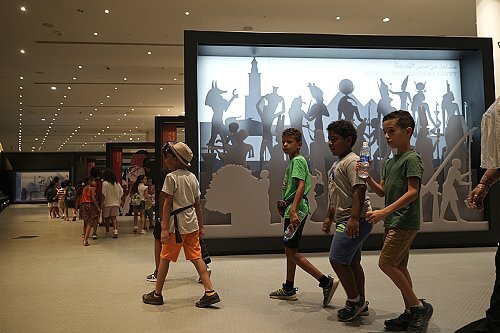
The heart of the Grand Egyptian Museum is the Children's Museum. An active space designed specifically for young audiences, every element encourages participation and discovery, making connections with ancient Egyptian heritage in a meaningful and memorable way.
The environment allows for playful learning and hands-on discovery, stimulating curiosity while fostering pride in cultural roots. The Children's Museum offers a shared, inspiring and unforgettable experience.
Vision
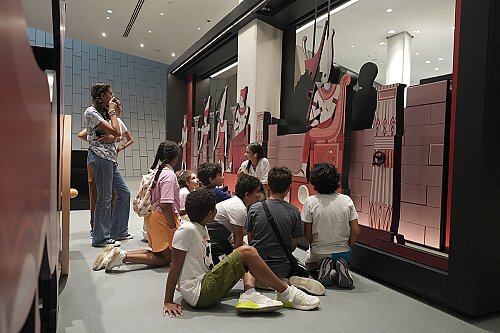
Within the framework of the GEM Learning Sector, the Children's Museum aims to inspire young people to explore their abilities while navigating the journey of understanding Egyptian heritage and history.
Equipped with this knowledge, the emerging generation will illuminate the way ahead and contribute to shaping a new world.
Mission
The Children's Museum at the Grand Egyptian Museum is committed to fostering children's passion for ancient Egyptian civilisation. A safe, warm and creative place to study or play, the GEM CM provides an interactive environment where children can choose their preferred means of learning, stimulating their cognitive, social, emotional and physical development. The real treasure is in the Children's Museum - there is an audience. With a mission to encourage everyone, but especially children between the ages of 6 and 12 and their families, to explore the incredibly rich ancient heritage that belongs to them, GEM CM opens its doors to all Egyptians. And travellers from the many different parts of the world are more than welcome. Students are encouraged to study history from a variety of perspectives through curricular learning experiences that are heavily infused with creative ideas provided by GEM experts. Strong critical thinking skills, good historical empathy and deep appreciation of cultural heritage values develop towards Egypt. GEM CM allows them to improve and express their skills. To meet the needs of tourists, GEM CM has introduced new child-led programmes, where children work hand in hand with GEM CM staff behind the scenes to create experiences that are vital to their learning.
The integration of technology at GEM CM inspires, challenges, enlightens and innovates through interactive play.
In partnership with national and international museums and institutions, GEM CM will be realised through transformative programmes for children.
Activities and Path of GEM Children's Museum
Timeline
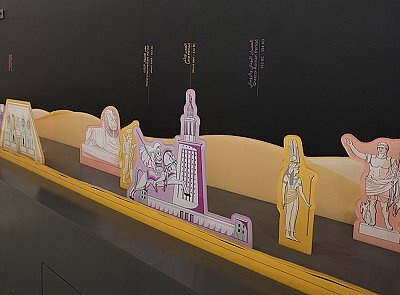
The Timeline gallery at the Children’s Museum introduces young visitors to ancient Egypt as a long, unfolding story rather than a list of isolated dates. Moving through this space, children follow the rise of Egyptian civilisation from early communities along the Nile to the age of the pyramids, the great kingdoms and, finally, the later periods of foreign rule. Clear visual cues, maps and age-appropriate texts help them see how different eras connect, and how big events such as the unification of Egypt or the reign of powerful pharaohs fit into the bigger picture of world history.
Interactive elements turn the Timeline into an exploration game: children can match artefacts and scenes with specific time periods, compare how people dressed or wrote across the centuries, and understand how everyday life changed. For families, it’s an ideal starting point for a visit to the Children’s Museum at the Grand Egyptian Museum, giving kids a mental “map” they can refer back to when they later encounter mummies, statues or hieroglyphs in other galleries.
Land of Egypt
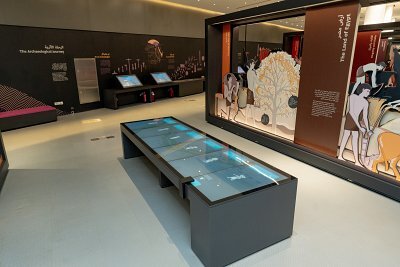
The Nile has focused on the land because it is this landscape that made possible the thriving of the ancient Egyptian civilization. Children discover how those early people first managed to survive by hunting and fishing, then later grow crops and raise stock on the rich floodplains of the river. Just as in reality, they learn that the seasons of the Nile controlled their agricultural calendar and where villages and towns were situated. Interactive stations help kids look at soils, plants, and tools so they can feel the work that happens every day in farm fields.
Simple models and multimedia show how irrigation systems work as well as how goods and people move along the river. In the end, young guests learn that old Egypt meant much more than just temples and tombs; it was a lively setting where people needed nature—and found ways to control it—so they could thrive.
Kingship and State
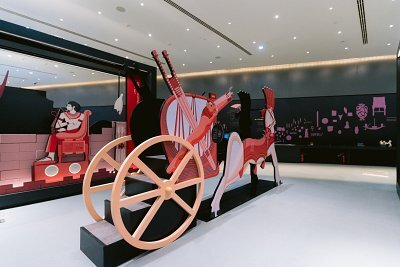
In the Kingship and State gallery, children meet the pharaoh not only as a famous figure from stories, but as a real head of state with responsibilities and symbols of power. Displays and activities explain how the king worked with officials, scribes and soldiers to collect taxes, organise building projects and protect Egypt’s borders. Simple, kid-friendly graphics break down complex ideas such as government, administration and law into concepts that young minds can easily grasp.
Through replicas and role-play, visitors can explore crowns, sceptres and royal emblems, and see how images of the king appeared on monuments, coins and official documents. Interactive games might ask children to “advise the pharaoh” or match royal symbols with their meanings, turning abstract history into a playful challenge. The goal is to show that kingship was not just about glory, but also about maintaining order, justice and stability across a vast and diverse land.
Community
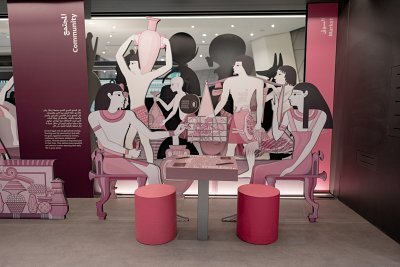
The Community Gallery shifts the focus from the elite to the everyday: the farmers, craftsmen, traders, mothers and children who were at the heart of ancient Egyptian society. Here, children can wander through reconstructed houses, shops and stalls to learn about the food people ate, the clothes they wore and the jobs families did. They learn about the bustling cities and quiet villages of ancient Egypt, where neighbours, friendships and daily chores created a sense of community. Activity stations encourage children to see themselves as young Egyptians learning different jobs, helping around the house or playing old games.
Pictures and objects show the role of women, large families and group celebrations. By showing ancient Egyptians as real people— with their own jobs, worries and happiness— the gallery builds empathy in children and shows that history is not just about famous people, but about whole groups of people living by the Nile.
Beliefs
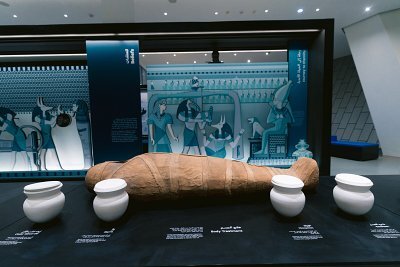
The Beliefs gallery introduces children to the rich religious world of ancient Egypt in a gentle, accessible way. Colourful displays present some of the most important gods and goddesses, explaining what they represented—like the sun, the sky, protection or wisdom—and how people honoured them through offerings, prayers and temple visits. Instead of focusing only on complex theology, the gallery shows how beliefs shaped festivals, symbols and everyday choices.
Another key theme is the ancient Egyptian idea of the afterlife. Through models and interactive media, kids learn why tombs were filled with objects, why mummification was practiced, and how people hoped to live forever in a beautiful next world. Simple storytelling walks them through the idea of a soul being judged and protected, always in a way that is respectful and age-appropriate. This helps young visitors see that beliefs were not just myths, but powerful ideas that guided how people lived, remembered their loved ones and hoped for the future.
Knowledge
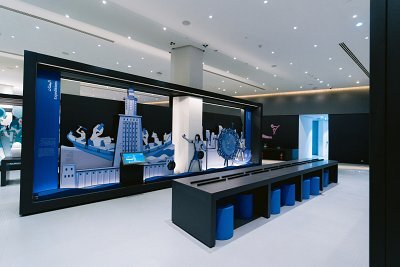
The Knowledge gallery appeals to the curiosity and intellect of the ancient Egyptians. It teaches children about the scribes, those wise men who learned to write hieroglyphs and kept great records for temples, palaces and businesses. At interactive stations, children can try their hand at tracing signs that can be used to decipher messages, or perhaps write their own names in ancient characters, turning the mysterious script into a fun game of guessing.
As well as writing, visitors will see practical science at work, such as surveying the land after the Nile flood, observing the sky to create a calendar and using simple mathematics for trade and construction. With the help of models and electronic tools, visitors can learn how builders planned monuments, doctors looked to nature for cures and craftsmen tested many materials. By relating these ancient achievements to modern school subjects - maths, science and reading - the gallery helps children see that learning has always been an important tool, from the classrooms of the pharaohs to their own.
Archaeological Journey
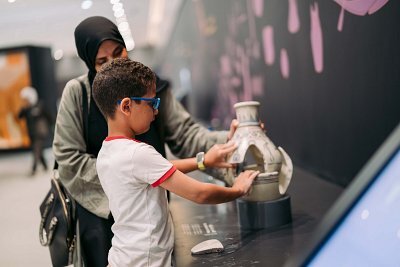
The gallery is set up like a dig site, fun for children, and shows how history is found in modern times. Children do what real workers on the Archaeological Journey site do: first they look at places, then they carefully dig things up, taking good notes of where each item was found, and finally they study the evidence in a laboratory.
The displays illustrate the value of context, showing how a pot, a bead or a piece of bone can tell very different stories depending on where and how they were found. Simulated trenches and replica tools to play with, puzzles to help them piece together broken artefacts or guess what different items might have been used for; this is where children start to learn about conservation, 3D scanning and how museums decide what to display. The children will realise that history is not something that is completed - it is something that is constantly being found and interpreted. They also realise that they can be young archaeologists themselves by asking questions and looking carefully at the evidence.
Palm Garden
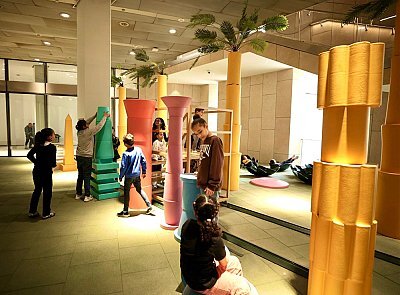
Just outside the indoor galleries, the Palm Garden offers families a breath of fresh air in a green space surrounded by the wider GEM campus. Described as a small oasis within the museum grounds, this landscaped area links the Children’s Museum with the education centre, arts and crafts spaces, dining and shopping zones. It gives children a chance to move, relax and reset between gallery visits, while still staying within the museum experience.
Shaded paths, palm trees and seating areas create a calm, safe environment where kids can chat about what they’ve learned, sketch their favourite artefacts or simply enjoy a snack with pyramid views nearby. For parents and teachers, the Palm Garden also works as a natural meeting point or picnic stop during school trips and family outings. By combining culture, nature and rest, it helps make a visit to the Grand Egyptian Museum and its Children’s Museum feel like a complete day out, not just a quick tour indoors.