
 Italiano
 Español
 Français
 Deutsch
 Nederlands
 Português do Brasil
 Pусский
 日本語
日本語 简体中文
简体中文 한국어
한국어

Egypt's Grand Museum opens, displaying Tutankhamun tomb in full for first time
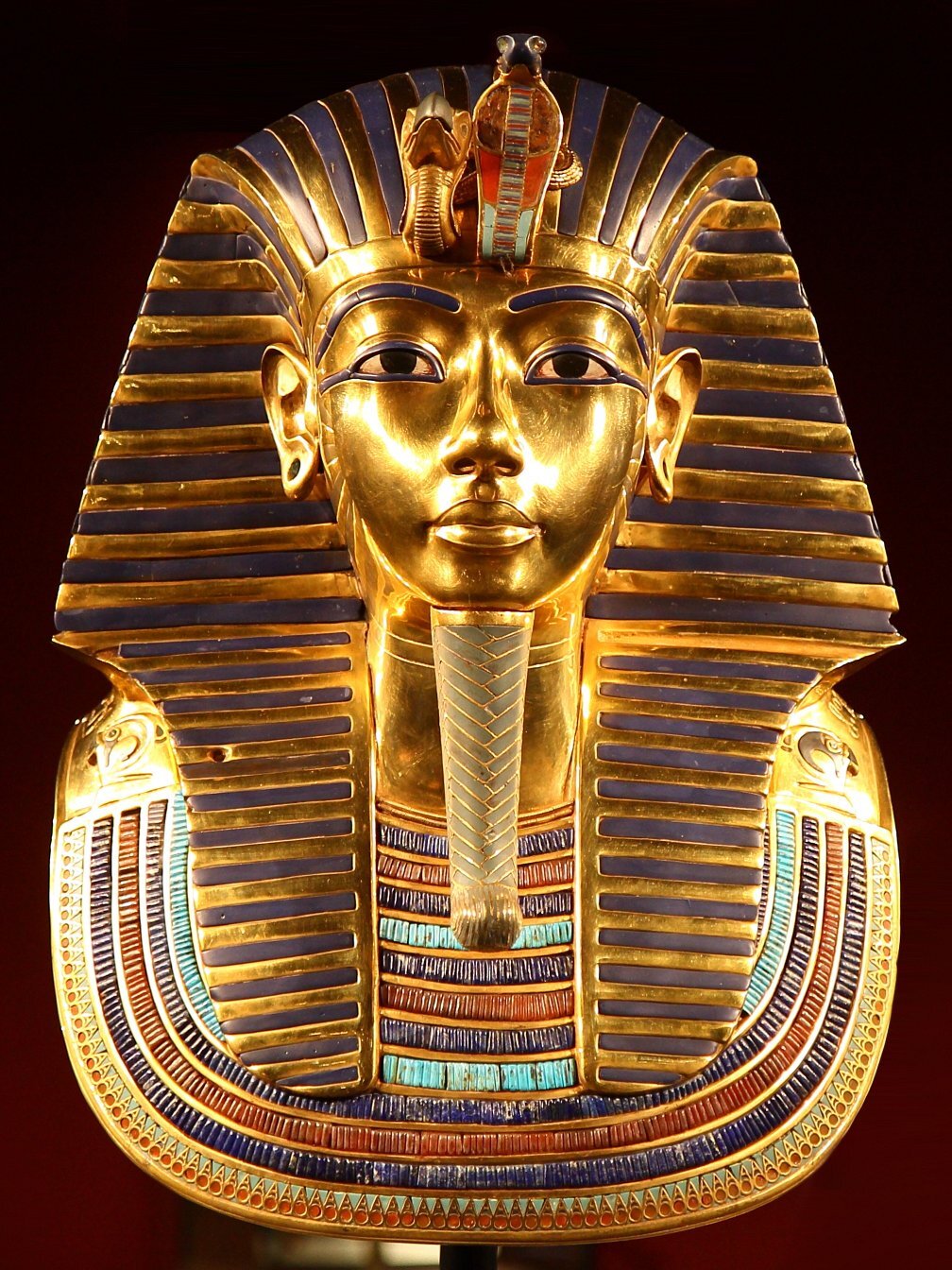 Tutankhamun tomb in full for first time
Alongside one of the Seven Wonders of the Ancient World, the Great Pyramid of Khufu at Giza, Egypt has officially opened what it hopes will become a major cultural landmark of the modern age. Called the “Grand Egyptian Museum (GEM),” it is billed as the “largest archaeological museum in the world,” and features some 100,000 pieces covering nearly seven millennia of Egypt’s history from pre-dynastic times to the Greek and Roman periods.
Leading Egyptologists say it will strengthen their case for the return of major Egyptian antiquities now held overseas, particularly the famous Rosetta Stone, which is on display in the British Museum. A major attraction at GEM will be the complete set of items from the uninterrupted tomb of the young King Tutankhamun, displayed together for the first time since they were found by British Egypt expert Howard Carter.
This set includes Tutankhamun's beautiful gold mask, seat and chariot.
"I had to think how can we show it in a different way, because since the discovery of the tomb in 1922, about 1,800 pieces out of a total of over 5,500 that were in the tomb have been on display," says Dr Tarek Tawfik, president of the International Association of Egyptologists and former director of GEM.
"I had the idea to display the complete tomb, which means that nothing remains in storage, nothing remains in other museums, and you get the complete experience, just like Howard Carter did over a hundred years ago.Costing around $1.2bn (£910m; €1.1bn), the vast museum complex is expected to attract up to 8m visitors a year, giving a huge boost to Egyptian tourism, which has been hit by regional crises.
"We hope the Grand Egyptian Museum will usher in a new golden age of Egyptology and cultural tourism," says Ahmed Seddik, a guide and budding Egyptologist at the pyramids on the Giza plateau.
Aside from the Tutankhamun exhibit and a new display of the spectacular 4,500-year-old funerary boat of Khufu - one of the oldest and best-preserved vessels from antiquity - most of the site's galleries have been open to the public since last year.
"I've been organising so many tours to the museum even when it was partially open," Ahmed continues. "Now it will be at the height of its glory. When the Tutankhamun collection opens, you can imagine the whole world will come back, because this is an iconic pharaoh, the most famous king of all antiquity."
"It"s an absolute must-see," says Spanish tourist, Raúl, who is waiting for the full public opening on November 4.
"We are just waiting to go and see all the Egyptian artefacts," says Sam from London, who is on a tour of Egypt. "It's a once in a lifetime opportunity."
The project has faced significant challenges. Finances, particularly the 2011 Arab Spring which led to Mubarak’s ouster and subsequent years of instability, the Covid-19 pandemic and still-existing regional conflicts, are among other major challenges to the project. "I have been dreaming. I am very happy that this museum is finally opening," he told the BBC - none other than Egypt's long-serving former Minister of Tourism and Antiquities, Dr Zahi Hawass. And this, says the veteran archaeologist, proves that Egyptians are on a par with foreign Egyptologists in terms of excavation, conservation and museum management. I am asking museums to stop buying stolen objects, and I am asking for the return of three objects: the Rosetta Stone from the British Museum, the Zodiac from the Louvre and the bust of Nefertiti from Berlin. Dr Hawass has started online petitions that have gathered hundreds of thousands of signatures calling for the return of all three items.
The Rosetta Stone was the key to hieroglyphics, found in 1799. It was found by the French army, who then gave it to the British as part of their spoils of war. In 1821, an ancient star chart, the Dendera Zodiac, came out of a temple at Hathor, now called Denderah, in Upper Egypt. More than a century ago, Germany was sued by Egypt for the illegal export from its territory of a coloured bust of Queen Nefertiti, wife of Pharaoh Akhenaton. 'It is very important that these three items are seen as an act of goodwill by these three countries, just like the many gifts that Egypt has given to the world, ’ said Dr Hawass. Dr Monica Hanna is another of the eminent Egyptologists who accuses these same artefacts of being ‘taken under a colonialist pretext’ as items to be repatriated. She said: “The GEM is telling the world that Egypt has prepared everything to ask for the return of these objects.” The British Museum told the BBC that “it has not received any formal request from the Egyptian government for the return or loan of the Rosetta Stone.
Egyptian Egyptologists are among those hoping that what this new museum can really be is an epicentre for the academic study of great discoveries. Many of Tutankhamun's pieces have been painstakingly restored by Egyptian restorers based in the area, including his beautiful cloth and leather armour. Under Egyptian rules, this kind of work can only be done by Egyptian citizens. Dr Tawfik says their great conservation work has earned them the respect of their peers around the world, and adds that the whole plan is a great source of national pride. “Besides showing ancient Egyptian history, we are also showing modern Egypt, because it is Egypt that built this museum.